
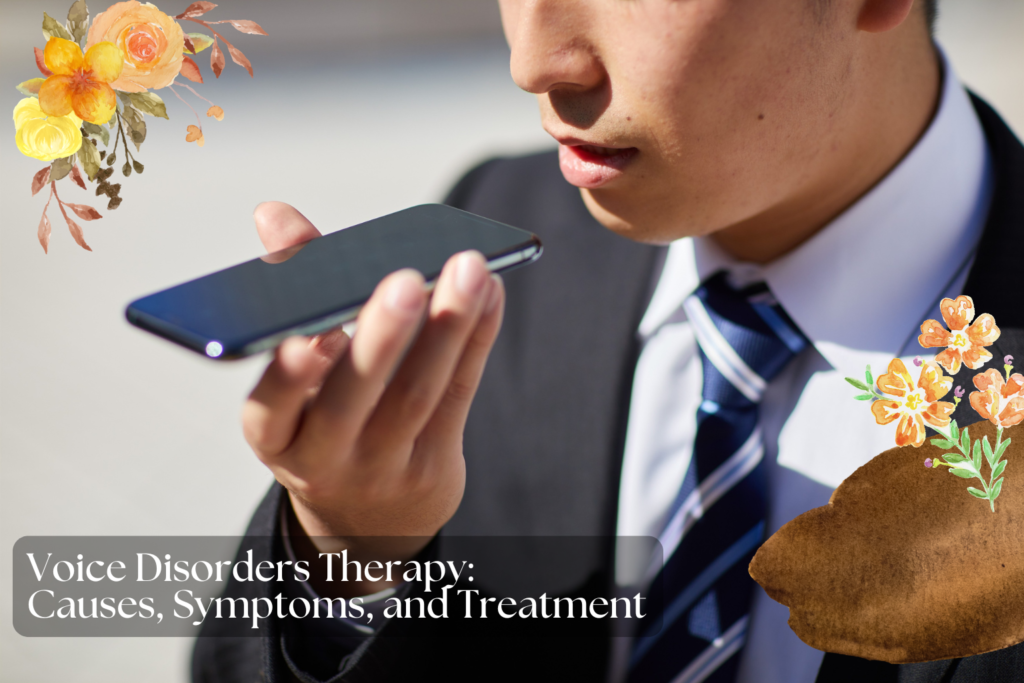
Voice is a powerful tool for communication, self-expression, and self-confidence. However, for many individuals, voice disorders may hinder personal, professional, and social life. A voice disorder is characterized by a change in pitch, tone, volume, and quality of an individual’s voice, making communication a challenging process. Voice therapy offers specific solutions to cure voice disorders, restoring vocal clarity and confidence to individuals.
What are Voice Disorders?
Voice disorders comprise a group of problems that affect the production of speech sounds through the vocal cords. A person who has a voice disorder may sound hoarse, breathy, raspy, or weak. The person may experience sudden breaks in their voice, changes in pitch, or a lack of stamina in their voice.
Common types of voice disorders include:
- Hoarseness: The voice is rough, raspy, or strained.
- Vocal Nodules and Polyps: These are benign growths on the vocal cords causing hoarseness or discomfort.
- Spasmodic Dysphonia: Uncontrolled spasms of the vocal cords.
- Vocal Fold Paralysis: Weak or paralyzed vocal cords causing a breathy voice.
- Functional Voice Disorders: These are improper vocal habits causing strain on the voice without any damage to the voice mechanism.
Voice disorders can affect anyone, regardless of age, profession, or background, but are especially common among teachers, singers, call center employees, and public speakers.
Causes of Voice Disorders-
Voice disorders may develop due to a combination of physical, neurological, behavioral, and environmental factors. Common causes include:
- Overuse or Misuse of voice – Yelling, prolonged speaking, or improper vocal techniques can strain vocal cords and lead to hoarseness or nodules.
- Medical Conditions – Throat infections, acid reflux, allergies, and respiratory illnesses can affect vocal cord function.
- Neurological Disorders – Conditions like Parkinson’s disease, stroke, or vocal cord paralysis can disrupt voice production.
- Structural Abnormalities – Vocal nodules, polyps, cysts, or congenital abnormalities can directly affect vocal quality.
- Hormonal Changes – Hormonal shifts in puberty, menopause, or thyroid disorders can affect vocal tone and pitch.
- Psychological Factors – Stress, anxiety, or emotional trauma may cause voice strain or functional voice disorders.
Symptoms of Voice Disorders –
Recognizing voice disorders early is important for effective treatment. Symptoms may include:
- Persistent hoarseness or breathy voice
- Difficulty in projecting voice or speaking loudly
- Discomfort or pain during speaking
- Frequent throat-clearing
- Abrupt changes in pitch or tone
- Vocal fatigue or loss of vocal endurance
- Voice breaks or crackling sounds
Impact on Daily Life
Voice disorders can significantly affect multiple aspects of life:
- Professional Life: Teachers, singers, and speakers may experience difficulties in performing their tasks efficiently.
- Social Life: Difficulty in being heard or expressing themselves may cause people to withdraw from social interactions.
- Emotional Well-being: Voice problems may cause people to become frustrated, anxious, and less confident.
Diagnosis of Adult Speech Disorders
A professional speech-language pathologist (SLP) or an ENT (ear, nose, throat) specialist evaluates voice disorders. The diagnostic process may include:
- Medical History: Past illnesses, voice use, or injuries.
- Voice Assessment: Listening to voice quality, pitch, loudness, and endurance.
- Laryngeal Examination: Using laryngoscopy to observe the vocal cords.
- Functional Voice Evaluation: Observing voice function in daily activities.
- Auditory Feedback Tests: Evaluating ability to detect sounds.
Treatment Options
Voice therapy is the primary approach to manage voice disorders. Treatment is personalized based on the type and severity of the disorder.
Voice Therapy
- Focuses on proper vocal technique, breathing, posture, and vocal exercises
- Reduces strain and improves clarity, tone, and endurance
Medical or Surgical Intervention –
- Necessary for structural issues such as nodules, polyps, cysts, or paralysis
- Surgery is often followed by post-operative voice therapy
Behavioral Modification –
- Teaching proper voice use and vocal hygiene
- Avoiding yelling, throat clearing, and excessive talking in noisy environments
Vocal Hygiene Education –
- Hydration, vocal rest, and healthy habits to maintain vocal cord health
- Avoiding smoking, caffeine, and irritants that harm the voice
Augmentative Techniques
- For severe voice disorders, assistive devices or amplification systems may be recommended
Tips for Maintaining Healthy Voice
- Speak at a moderate volume and avoid shouting
- Warm up your voice before engaging in long periods of speaking or singing
- Take breaks during long periods of speaking
- Hydrate yourself and avoid irritants like smoking
- Incorporate deep breathing and relaxation techniques to avoid voice strain
Why choose Professional voice therapy?
Professional voice therapy provides:
- Personalized Treatment: Tailored therapy sessions are conducted depending on the vocal needs of the individual
- Evidence-Based Techniques: Effective techniques are used to recover vocal clarity and strength
- Professional Expertise: Speech-language pathologists are trained to assist in the recovery process
- Confidence Building: Helps build confidence in communication for professional and social settings
Conclusion –
The consequences of voice disorders can be quite detrimental to communication, self-confidence, and overall life. However, with proper intervention, voice therapy, and guidance from a speech-language pathologist, an individual can overcome voice disorders.
If you are experiencing changes in voice, hoarseness, or difficulty speaking, visit a licensed speech-language pathologist today to help you overcome voice disorders and build vocal strength and confidence.